

FAQ
Frequently Asked Questions
What is Rolfing® Structural Integration?
Rolfing® Structural Integration is a form of hands-on bodywork that focuses on the body's connective tissue, or fascia, along with posture, movement, and the way different areas of the body work together. Rather than focusing only on one sore or tight area, Rolfing looks at the body as a connected system. The goal is to help create greater ease, balance, mobility, and efficiency in the way you move.
How is Rolfing® different from massage?
Massage and Rolfing® Structural Integration can both involve hands-on bodywork, but they have different goals and approaches. Massage often focuses on relaxation, muscle tension, or a particular area of discomfort. Rolfing takes a broader look at how your entire body is organized and how different areas may be influencing one another. For example, discomfort in your lower back may be related to how your hips, legs, feet, or rib cage are moving. Instead of working only where you feel the problem, Rolfing explores those relationships throughout the body.
What conditions can Rolfing® help with?
You may expect general improvements for various conditions after going through a series of Rolfing sessions. The chief goal of Rolfing is overall structural improvement, posture, and movement. Any lack of wellness that relates to these issues can benefit from Rolfing. The process of improvement of structure through the Rolfing technique is designed to benefit the body as a whole, and is not designed as therapy for specific medical conditions.
How many sessions will I need?
This depends on your particular goals. For general relief of a specific discomfort, anywhere between one to three sessions may be sufficient to result in improvement. For long term change, 10 sessions spaced approximately two weeks apart are recommended, and each session will build on the one before it, focusing on specific goals per sessions that work on different areas of your body.
What happens during a session?
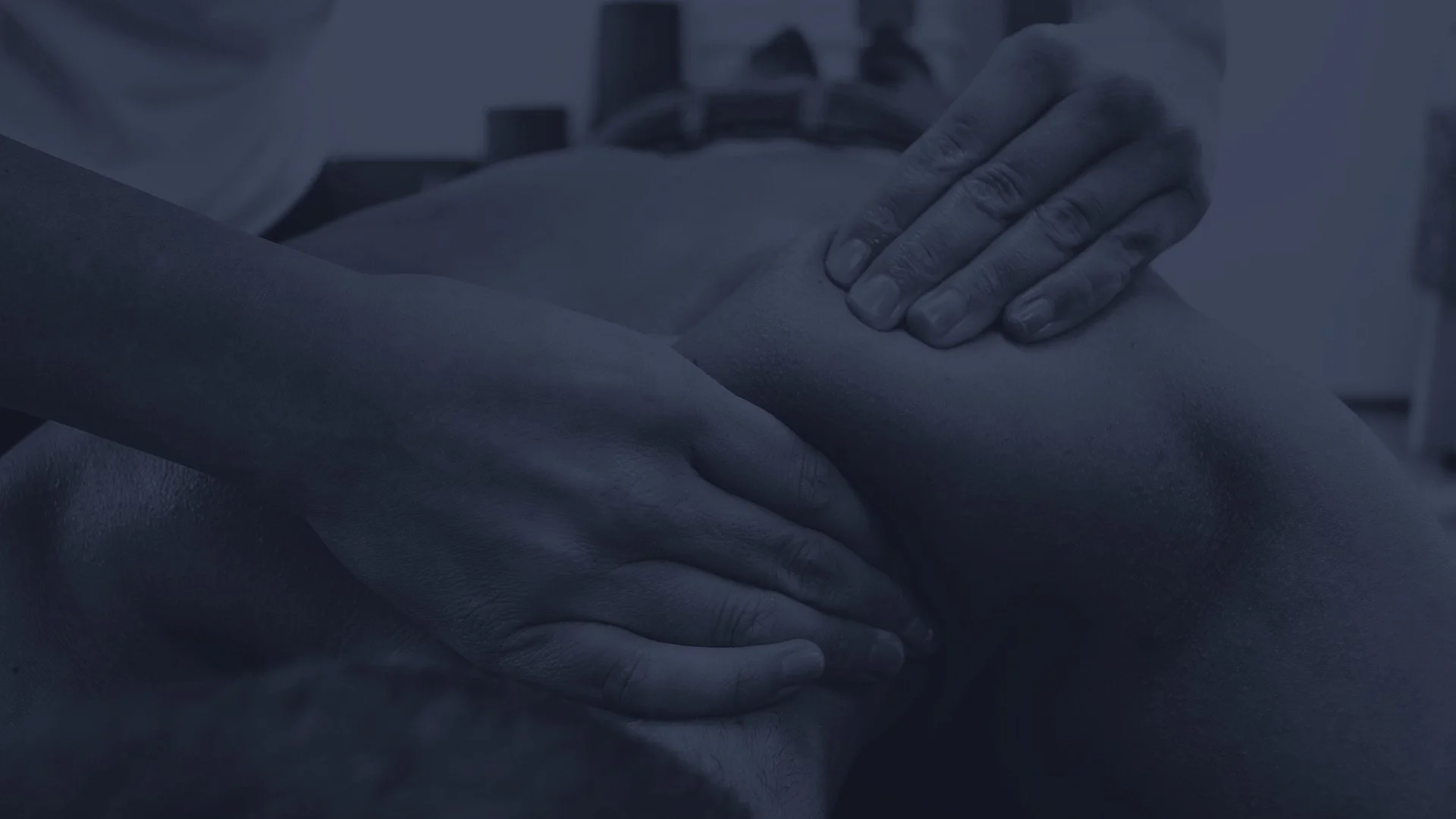
Your first appointment begins with a conversation about what brought you in, your movement history, previous injuries or surgeries, areas of discomfort, and what you would like to improve. Connie will also observe and evaluate the way you stand, walk, or sit before beginning the hands-on portion of the session. The work may include both table work and movement while sitting, standing, or walking. Using the Rolfing technique, sensitive and precise pressure is applied to specific areas of your body. During and after each session, you may discover new ways of moving as the work helps your body to ease out of old habits or movement patterns that were negative to your body.
What should you know before a session?
Rolfing is usually done clothed in either underwear, a swimsuit, or a sports bra. Avoid eating a big meal right before the session.
How long does a session last?
Sessions usually last about 75 minutes, but can vary based on your individual needs.
What should I do after my session?
Give yourself some time to notice how your body feels. Walking, drinking water, and paying attention to changes in your posture or movement can be helpful. You do not need to force yourself into a particular posture or try to "hold" the changes from your session. One of the goals of the work is to allow greater ease rather than creating another position your body has to maintain.
What long-term benefits can you expect from Rolfing?
Many mind-body factors affect how Rolfing is received and perceived by each person. Therefore, the long term effects are entirely individual. How well a client is able to engage with their own body and how great their individual capacity for change, will influence the initial outcome and long term benefits. The key objective of Rolfing is always improved structure and optimised function. Optimising function is personal. A small improvement for one client may represent a significant personal achievement for another.
Is Rolfing® only for people who are in pain?
Not at all. Many people explore Rolfing because they want to move better rather than because something hurts. Clients may want to improve mobility, posture, balance, flexibility, athletic performance, or simply feel less restricted in everyday life.
Is Rolfing® good for athletes?
Athletes often become very aware of even small limitations in mobility or movement efficiency. Runners, cyclists, weightlifters, dancers, golfers, and other active clients may use Rolfing® Structural Integration to explore movement restrictions, imbalances, and compensations that may affect how their bodies perform. With that said, you do not need to be a competitive athlete to benefit from this approach.
Can Rolfing help my illness/specific condition?
If you are ill or have a specific medical condition, you should consult your general practitioner, as there are a number of specific medical and bodily conditions that may not be suitable for Rolfing.
Can my child receive any benefit from Rolfing?
Yes! Young people experiencing misalignment issues can experience positive benefits from the Rolfing technique. It is an excellent way to educate them about taking preventative steps to keeping their body in good condition. Rolfing Sessions with children are usually shorter, less frequent and designed around the young person’s specific needs.
Where are you located?
Connie sees clients at two Louisiana locations:
Metarie
3907 Derbigny Street
Metairie, LA 70001
Prairieville
17487 Old Jefferson Highway, Suite C
Prairieville, LA 70769
How do I schedule an appointment?
To ask questions or schedule a session, call or text Connie at: (504) 481-1267
Connie Karas Rolfing, Certified Structural Integration Practitioner
Schedule your appointment
Text/call: (504) 481-1267
Connie Karas is a Certified Rolfing® Structural Integration Practitioner based in Metairie and Baton Rouge, Louisiana.